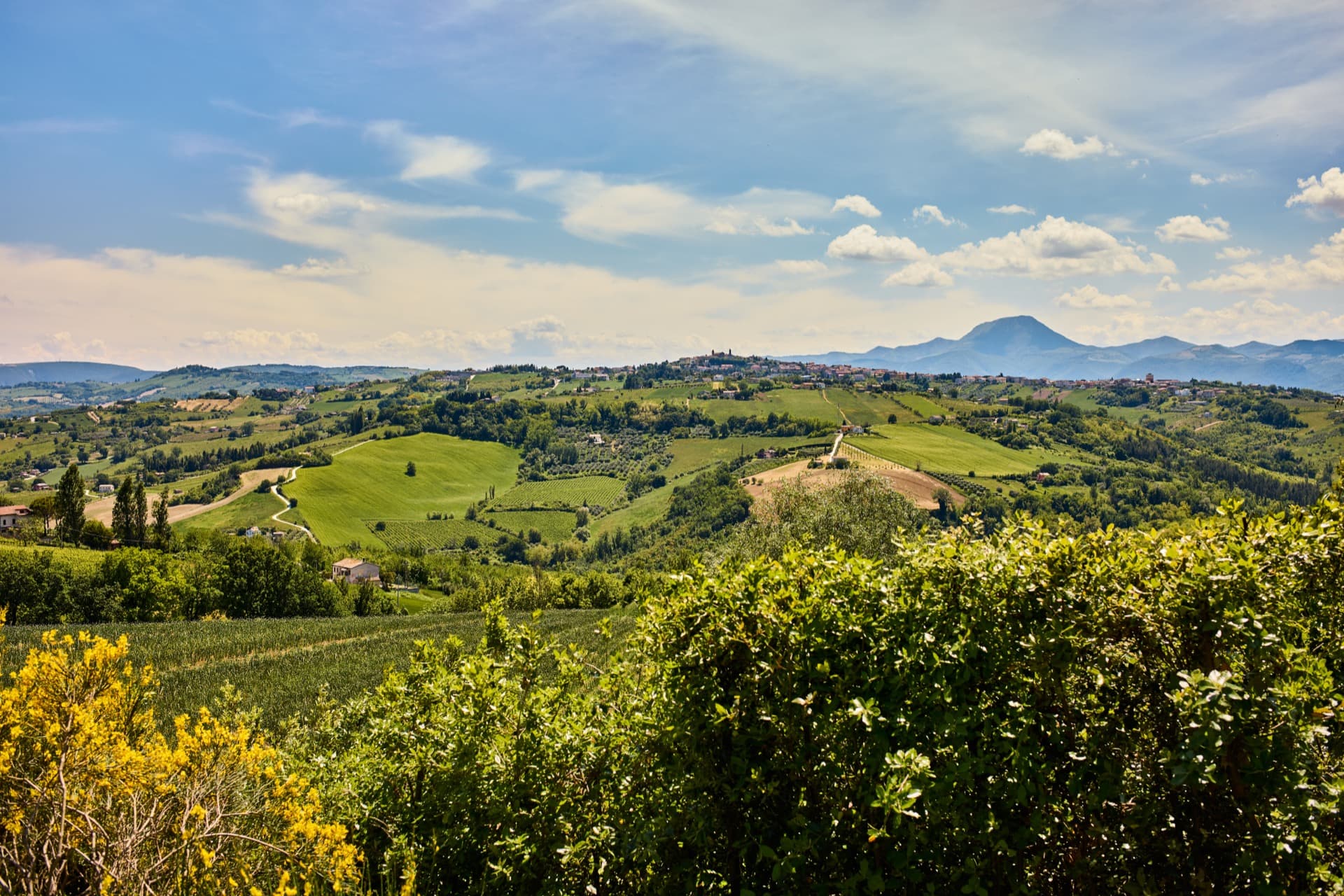
The itinerary “Gaspare Spontini and his lands” offers a unique journey through the history, culture, and landscapes of the Municipality of Maiolati Spontini, discovering the roots and legacy of the famous composer.
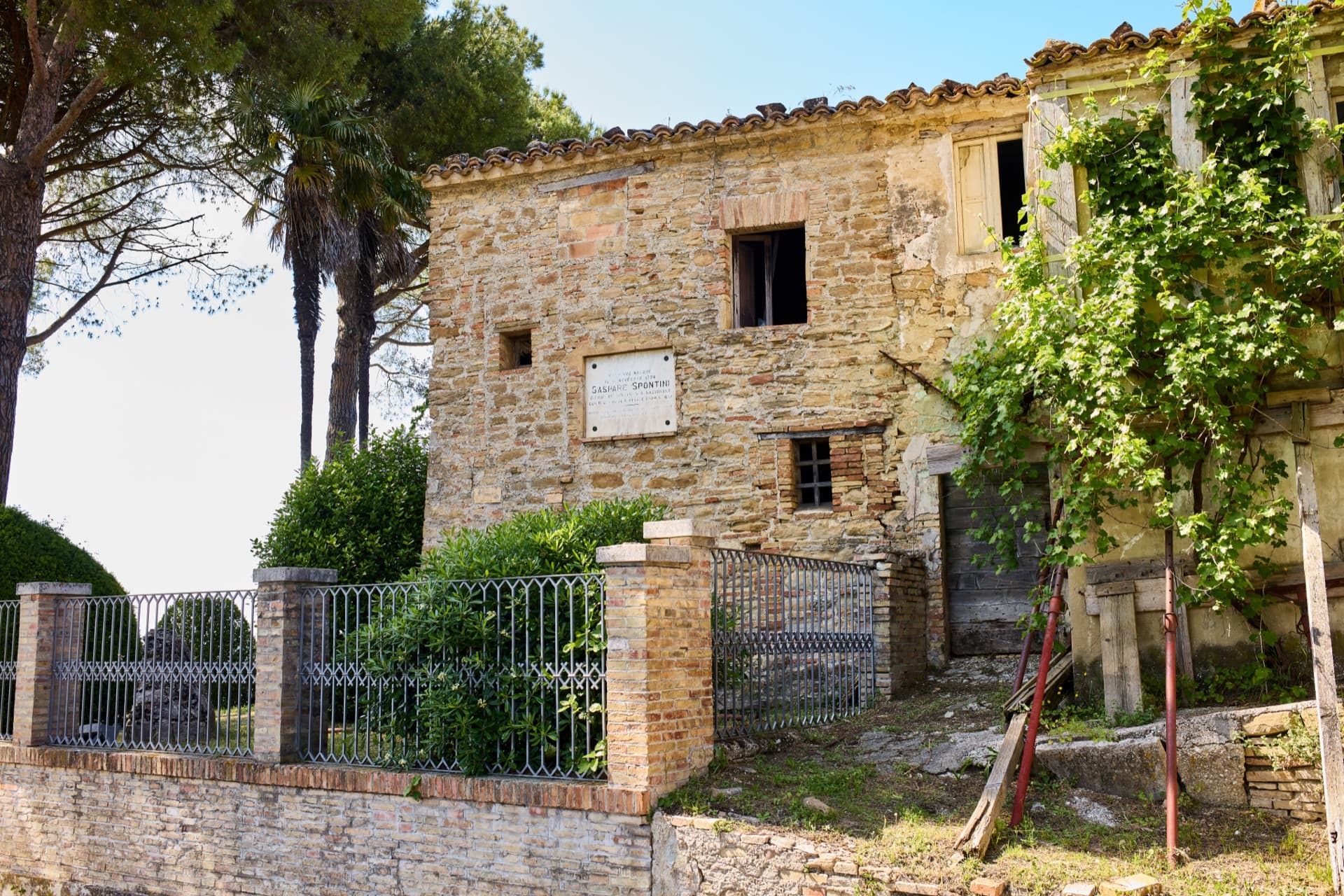
Casa natale Spontini
Welcome to the Birthplace of Gaspare Spontini, a place where history and music merge. Here, within the walls of his birthplace, Maiolati, the celebrated composer took his first steps, creating masterpieces that enchanted the courts of Europe. Immerse yourself in a journey through time to discover the roots of a musical genius and the legacy he left to the world. Hailing from Albacina, the Spontini family moved to Maiolati in the second half of the 18th century. In 1772, Giovanni Battista married Teresa Guadagnini, a native of Monsanvito, and they had seven children, two of whom died after just a few days. On November 14, 1774, at 3:00 PM, their second child, Gaspare Spontini, was born. Just outside the castle, the last house in the village beyond the western gate is the humble birthplace of Gaspare Spontini. The ground floor contained the stable, without a floor, while the upper floor, reached by a staircase, contained only two rooms: the kitchen with a large fireplace and the bedroom. The small dwelling has remained intact, though stripped of its furnishings. The only surviving furnishings are a trunk and a cobbler's bench, tools used by the Maestro's father, Giambattista. Next to the house, in the center of the tree-lined garden, a bronze bust of the composer stands, a copy of the one now in the Teatro Pergolesi in Jesi, commissioned in Paris from the famous Genevan sculptor and painter Jean-Jacques Pradier. The building was declared a national monument by Royal Decree of April 6, 1924. The adjacent house, known as Casa Sorana, was acquired by the Municipality of Maiolati Spontini in 2000.
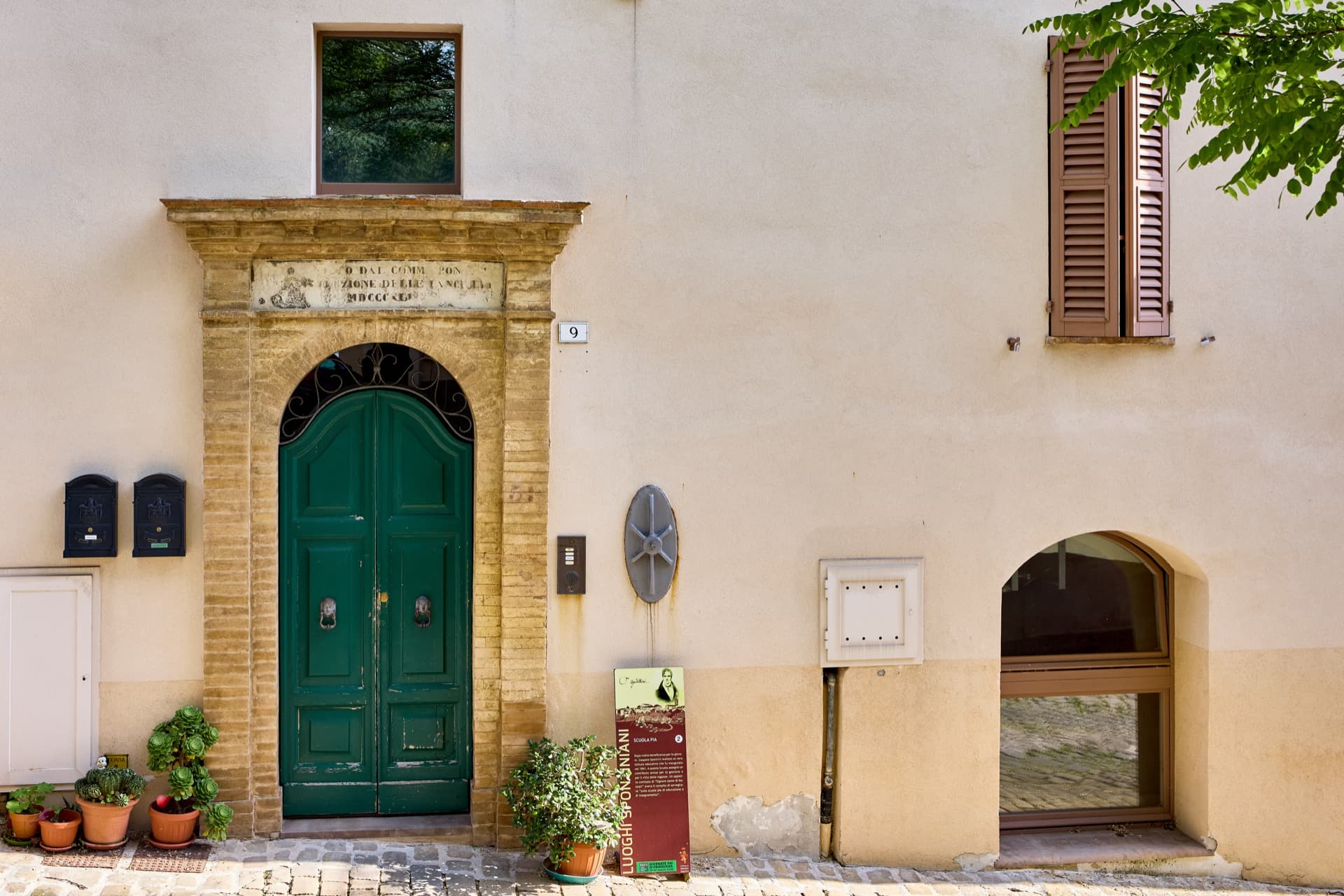
Casa delle Fanciulle
In the heart of Maiolati's medieval castle is the so-called Casa delle Fanciulle (House of the Maidens). Created in 1841, the Scuola Pia d'educazione e di insegnamento was the start of Gaspare Spontini and Celeste Erard's philanthropic programme. This girls' school was intended for the most vulnerable girls of Maiori society, poor or orphaned, to allow them an education and learn a trade. Here, the young girls were able to attend a regular course of study, where alongside reading, writing and counting, they learned the art of sewing, as well as music and drawing. In 1844, the school was expanded considerably, becoming a kind of boarding school. Spontini allocated an annual contribution to the school for the running of the house and for the girls' board. In addition, a special committee of “Ladies Ladies of Maiolati” was set up to oversee “the Pia School of education and teaching”. The building, which today has different purposes, preserves the memory of the Maestro's generosity thanks to the plaque on the exterior façade.
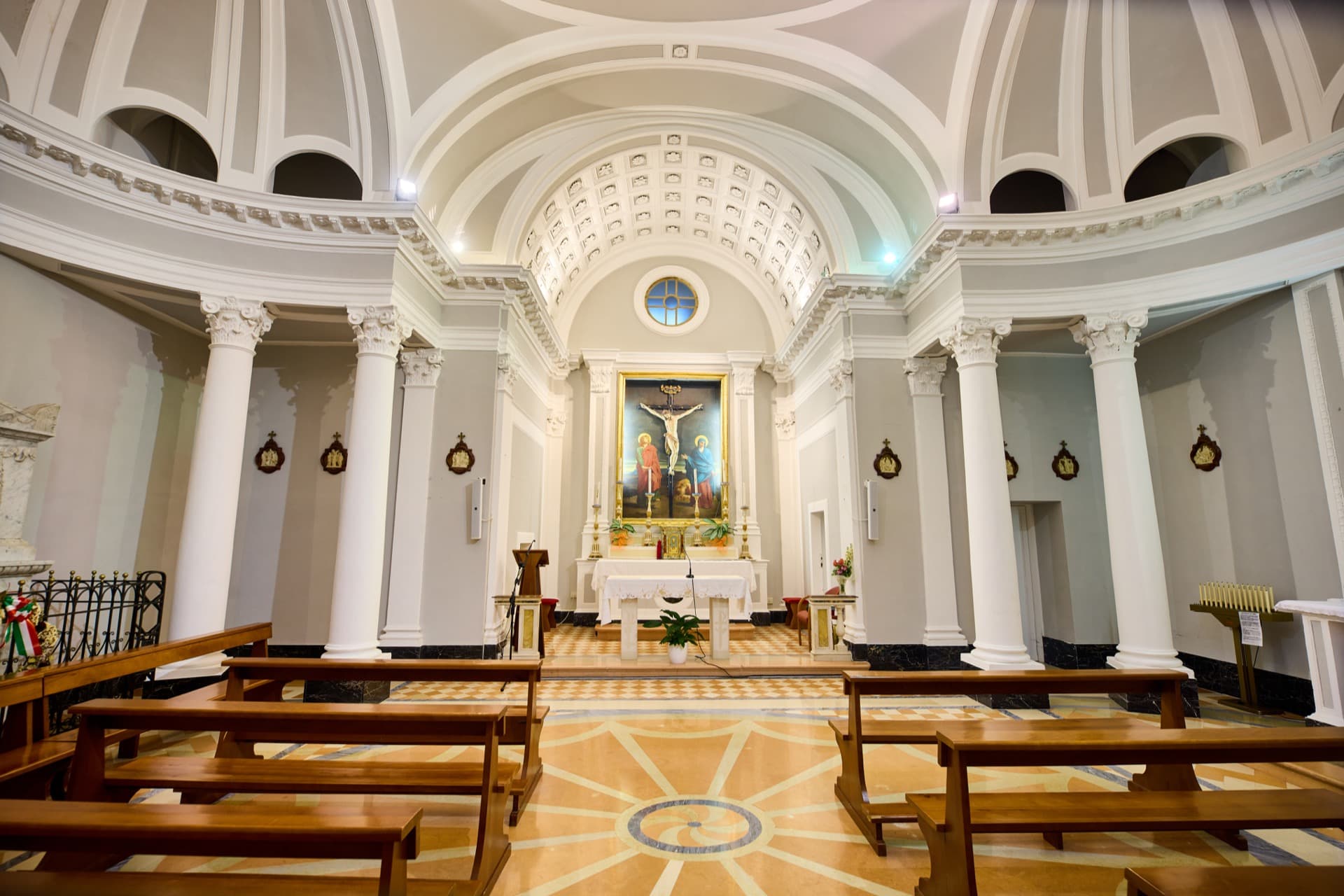
Church of San Giovanni
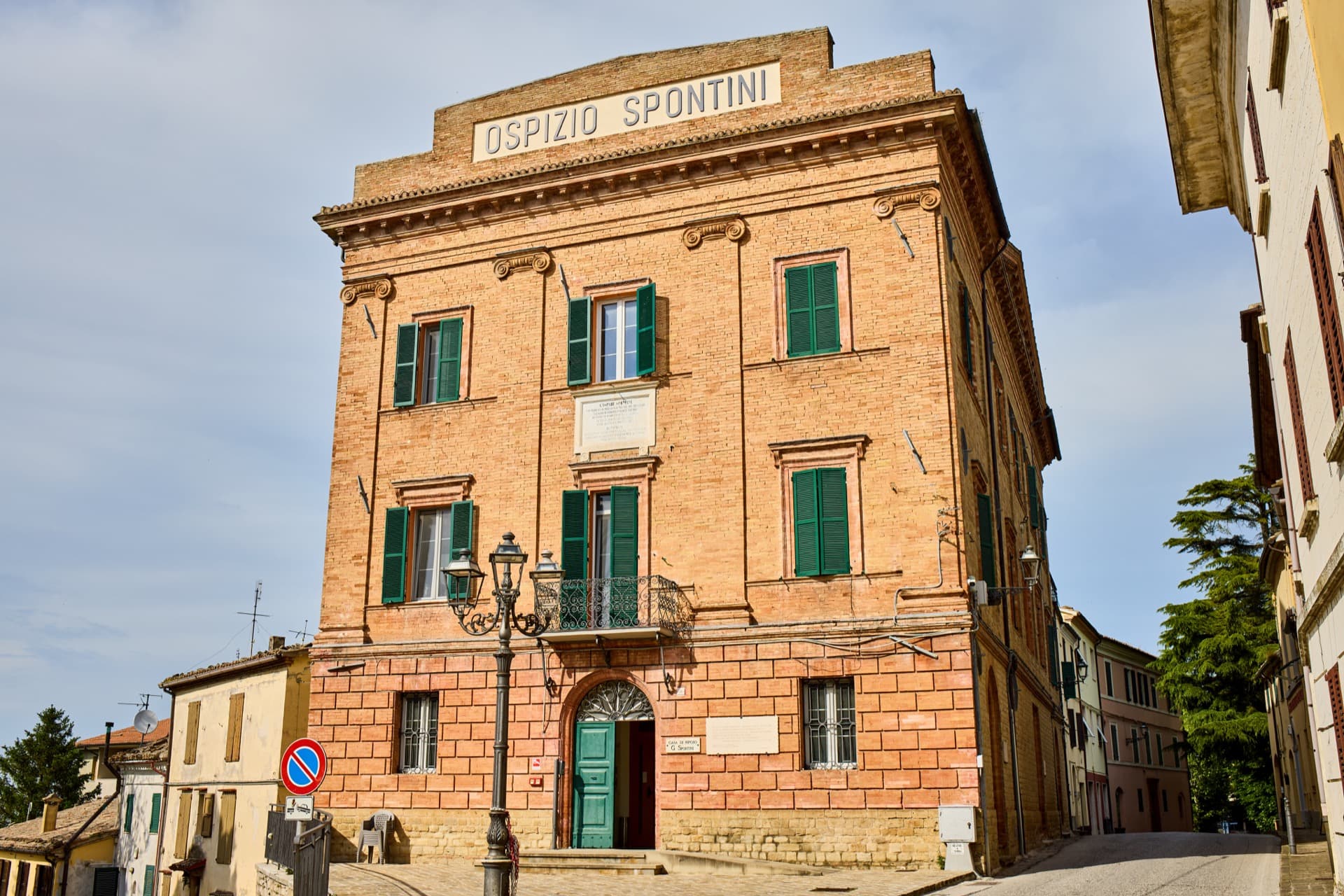
The main work of Gaspare Spontini's philanthropic project was the Ospizio di Carità, today a rest home for the elderly, designed to provide assistance to the sick and welcome the less well-off. The foundation stone was laid on 5 November 1845: while the rough work on the Ospizio factory, supervised by architect Ciriaco Santini of Jesi, was completed in 1848, the project was not finally completed until 1870. The Church of San Giovanni, is incorporated inside the Hospice and stands on an earlier church dating back to 1450. The interior presents elegant neoclassical forms and has a rectangular plan with the apse housed inside a large niche. The peculiar oval roofing gives the chapel a majestic appearance, softened by pairs of Corinthian columns on which rests a cornice from which the vaults depart. On the altar is a painting commissioned by Celeste Erard from a French painter in 1851: the work depicts the Crucifixion with the Madonna, St. John and Mary Magdalene painted on canvas, while the wooden crucifix is the pre-existing original. On the left side is Spontini's tomb, the work of architect Fedele Bianchini of Macerata. The monument, also in neoclassical style, is surrounded by a wrought iron and brass railing. The sarcophagus, on the other hand, made of grey marble sculpted in bas-relief, rests on a base on which an inscription by Professor Ignazio Montanari of the Liceo Campana in Osimo can be read. In the centre of the sarcophagus is a large medallion with the profile of Spontini's face. Since at the time of the maestro's death on 24 January 1851, work on the interior of the church had not yet been completed, just as the mausoleum had not yet been designed, the body was initially placed in the parish church of Santo Stefano, where the funeral was celebrated on 27 January. Dressed in the uniform of an academician of France, Spontini's body was enclosed in a polished walnut casket, covered by a zinc casket, both in turn contained in a third large oak casket. The Church of San Giovanni was not inaugurated until 6 March 1853 and the ceremony of transporting the body to this church took place the following day.
Gaspare Spontini Museum
This cultural space is housed in the house that the composer and philanthropist Gaspare Spontini, born in Maiolati in 1774, had built with the intention of making it his residence upon his return to his hometown. Initially destined for religious life by his father's will, following in his brothers' footsteps, the young Spontini was sent by his paternal uncle Don Giuseppe Spontini to the church of Santa Maria del Piano in Jesi and later admitted to the seminary. However, impatient with ecclesiastical studies, he managed to devote himself to music, overcoming his father's opposition and completing his musical education. His career took him to European courts, from Napoleon's France to the Berlin of Frederick William III of Prussia. This cultural space is housed in the house that the composer and philanthropist Gaspare Spontini, born in Maiolati in 1774, had built with the intention of making it his residence upon his return to his hometown. Initially destined for religious life by his father's will, following in his brothers' footsteps, the young Spontini was sent by his paternal uncle Don Giuseppe Spontini to the church of Santa Maria del Piano in Jesi and later admitted to the seminary. However, impatient with ecclesiastical studies, he managed to devote himself to music, overcoming his father's opposition and completing his musical education. His career took him to European courts, from Napoleon's France to the Berlin of Frederick William III of Prussia. The building that houses the Museum is the house that the Spontini couple had built with the intention of making it their residence when they returned to Maiolati, which only happened in September 1850 and for a few months. The old rural building, bought by the composer in 1842 from the Valchera family, was refurbished The rooms on the second floor run along a corridor. The plastered walls and ceilings have vaulted ceilings decorated with floral and geometric motifs, while the floors are made of terracotta. These rooms, which once constituted the private area of the Spontini couple and contain valuable furnishings, offer an evocative reconstruction of the atmosphere of what might have been a wealthy aristocratic residence of the time. In addition, at the end of the corridor a door hides a small curiosity: an essential bathroom in the house, very rare in the residences of the period that usually had it outside. Among the rooms, the small study stands out, furnished with a few linear elements in line with neoclassical taste. There is a writing desk, leather armchairs and a wardrobe typical of the 19th century. Also preserved are two travel trunks that belonged to Spontini: the smaller one is French, as evidenced by the label of a Parisian factory.
Colle Celeste
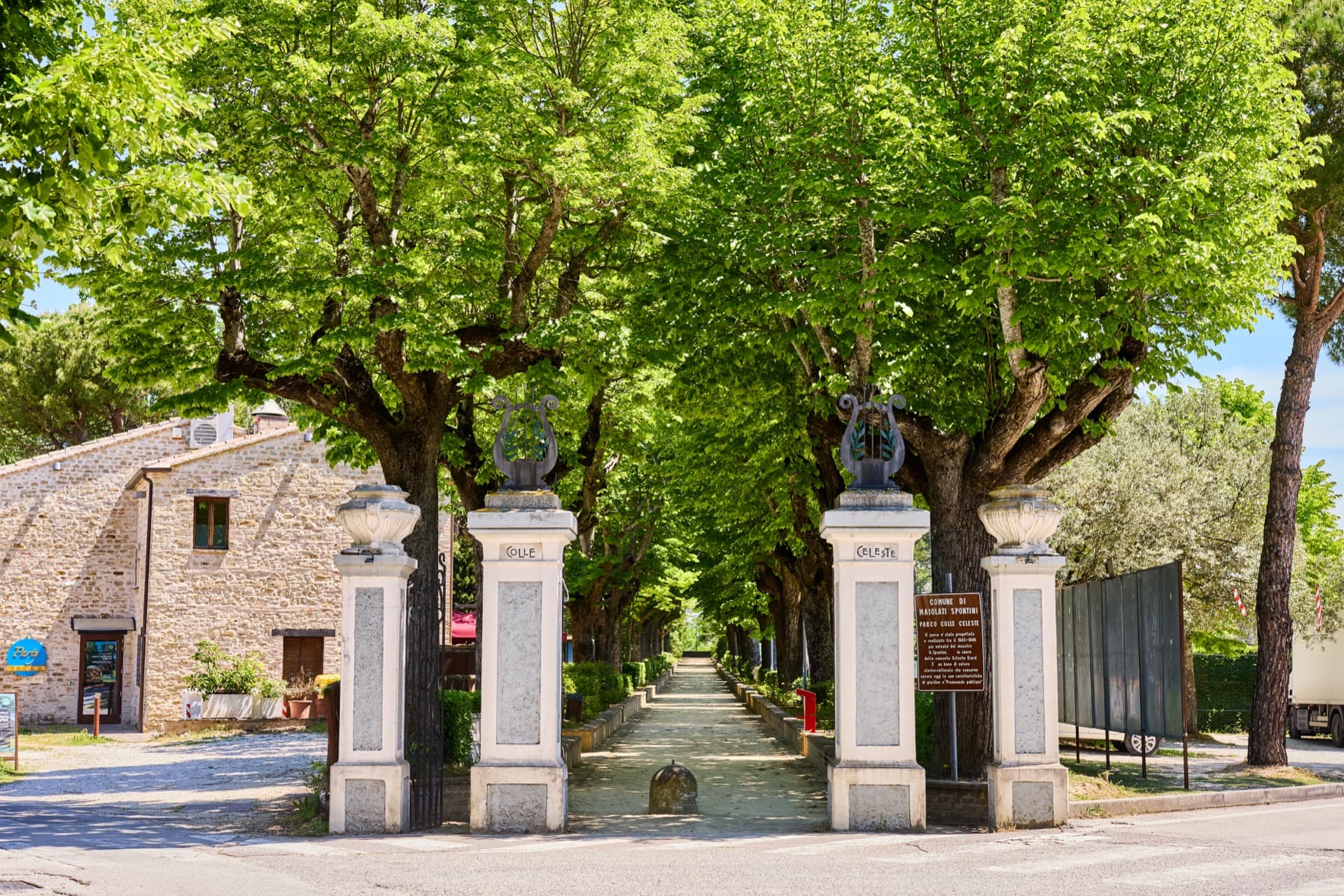
A few steps from the historical centre stands the Colle Celeste Park, whose name refers to Gaspare Spontini's sweet bride. An integral part of the couple's extensive philanthropic project, the Colle was created with the intention of donating a public park to the community to improve the education and lifestyle of the people of Maiori. For its realisation, a piece of land called La Pianella was purchased, a flat area on a small hill: it was the highest and most panoramic point of the town, a splendid natural terrace made up of cultivable land, bordering the county of Sant'Andrea, already owned by the composer. The foundation stone was laid on 17 November 1842 and by 1850 the hill was already a garden of wonders. With the help of specialists and books, the couple and, from 1851 onwards, Celeste alone took a personal interest in its design, which included several areas: an Italian garden, an English woodland, the construction of an open temple to house a bust of the maestro and a Chinese casino for resting. The list of plants that were purchased included beeches and privets, pines and horse chestnuts, mimosas and flowering seedlings, among others. In 1858, Celeste Erard returned to Maiolati to directly supervise the work on a personal project of his for the park: the raising of the statue of the Madonna of the Celeste Hill. The base, designed by the engineer Gabussi of Ancona, was made of Istrian stone. The monument, a copy of the Immaculate Conception of Lyon, arrived in Maiolati on 21 April and was placed in place of the open temple and bust of the composer. Celeste's motivation for dedicating this space to the Virgin Mary and not to her husband was profound: the statue, a permanent emblem of faith, symbolised Marian protection over charitable institutions, Maiolati and the surrounding villages. The inauguration celebration, which took place on 19 June 1858, was grand, with illuminations and fireworks. Positioned at the highest point, facing Vallesina, the statue was visible from all over the Colle and also from the surrounding valley.
House of the Oil and Biodiversity
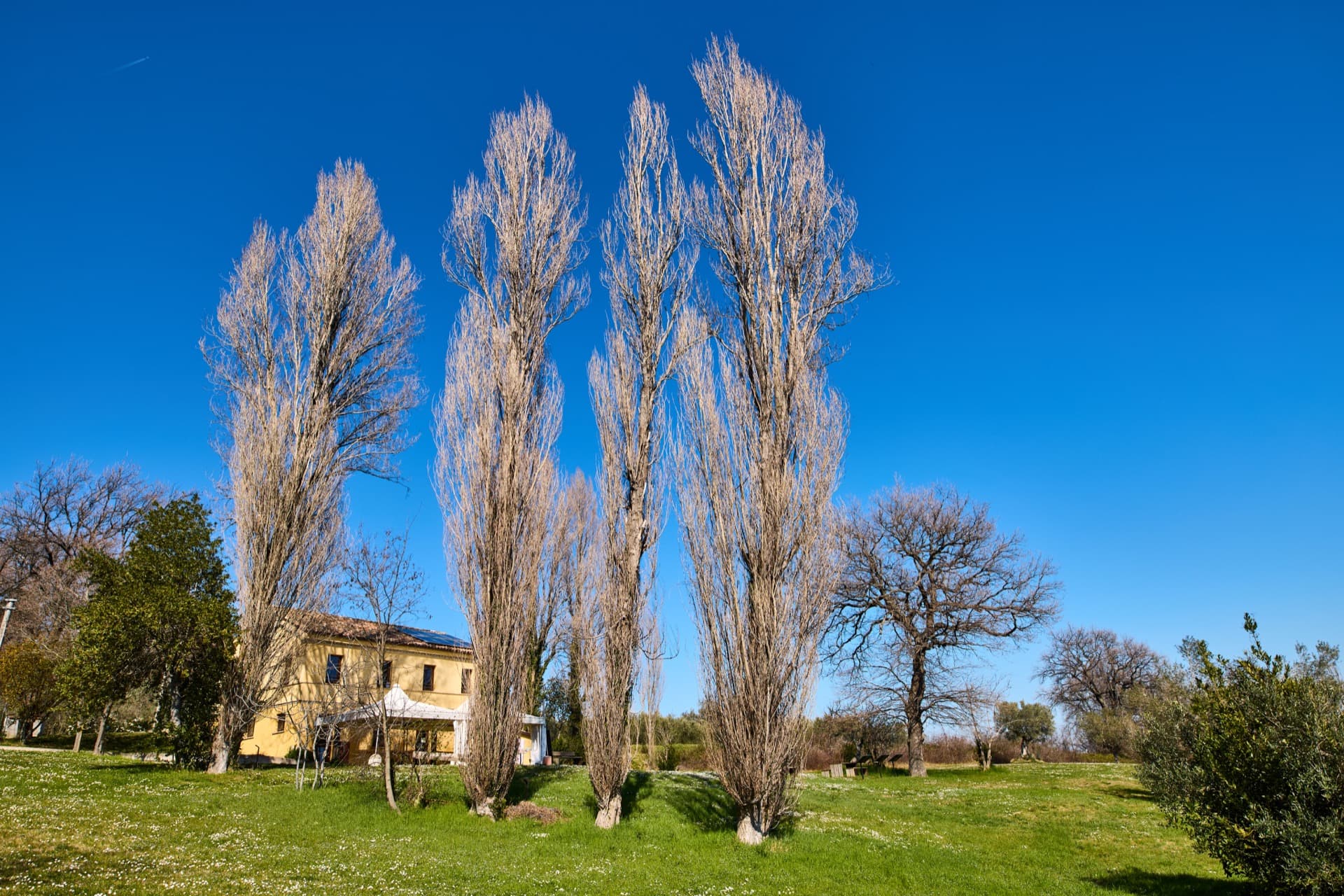
Maiolati Spontini - A rural oasis between culture, agriculture and wellness Immersed in the heart of the Esini Hills, at the gates of Maiolati Spontini, the House of Oil and Biodiversity is much more than an agricultural structure: it is a symbol of regeneration, rural culture and valorization of the territory, was created to promote the olive biodiversity of the Marche and today it has become a reference point for immersive experiences, sustainable tourism and synergies between local producers. The structure is born from a municipal project, developed in collaboration with Amap (formerly Assam) and the Faculty of Agriculture of the Polytechnic University of Marche, with the aim of preserving and enhancing the native olive varieties of Marche. To manage and develop this project is now the Azienda Agricola Carbonetti, also promoter of the project "Marche in Fermento", which aims at a new vision: create a network between agricultural companies, cultural realities, producers and tourists, to create a real Farm Marchigiana Diffusa. An agricultural park between biodiversity and innovation. The heart of the structure is a restored former farmhouse, surrounded by more than 4.5 hectares of park with about 1,100 olive trees belonging to 22 regional varieties, divided into five areas, each managed with a different cultivation method (from traditional to super-intensive). The olive grove is both a place of (organic) production and an open-air laboratory for agronomic and educational activities, certifying the Casa dell'Olio as a virtuous model of integrated agriculture, sustainable and didactic. Promotion, reception and culture of the territory. The Casa dell'Olio has started, in recent years, an important tourist enhancement process, which has transformed the structure into a multipurpose center open to the public, where quality agricultural production is combined (monovarietal and blend EVO oil), educational and experiential reception for schools, tourists and enthusiasts, seasonal and cultural events related to the territory and its traditions. Tradition, nature and community: the calendar of events that tells the territory At the House of Oil and Biodiversity, each season becomes an opportunity to experience the territory in an authentic and engaging way. The events, designed and managed with passion by Azienda Agricola Carbonetti together with partners active on the territory (cultural associations and proloco), combine agricultural values, rural culture and personal well-being, offering accessible and inclusive experiences suitable for all ages, Promoting contact with nature and sociality in a relaxed and regenerating environment.
Taste
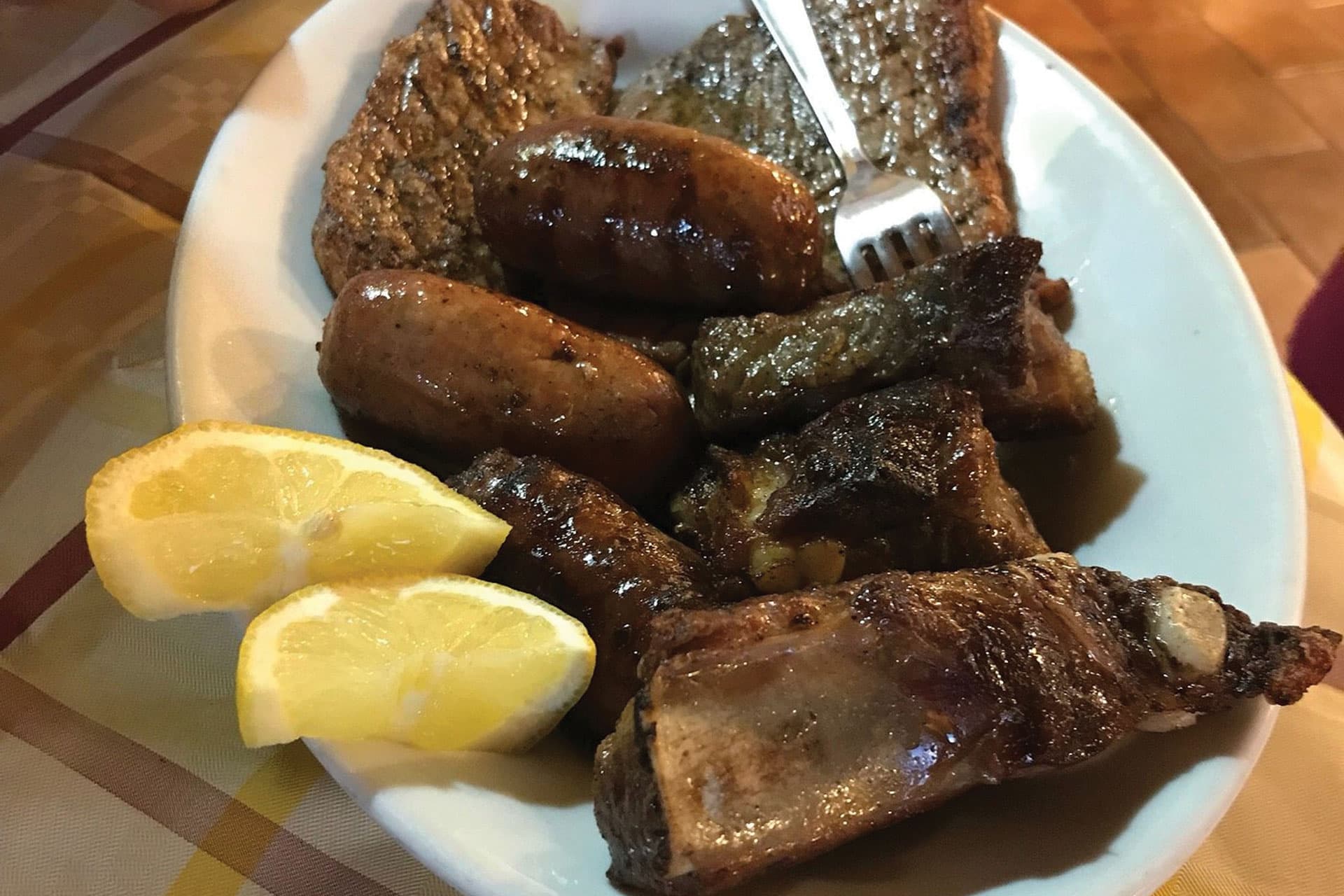
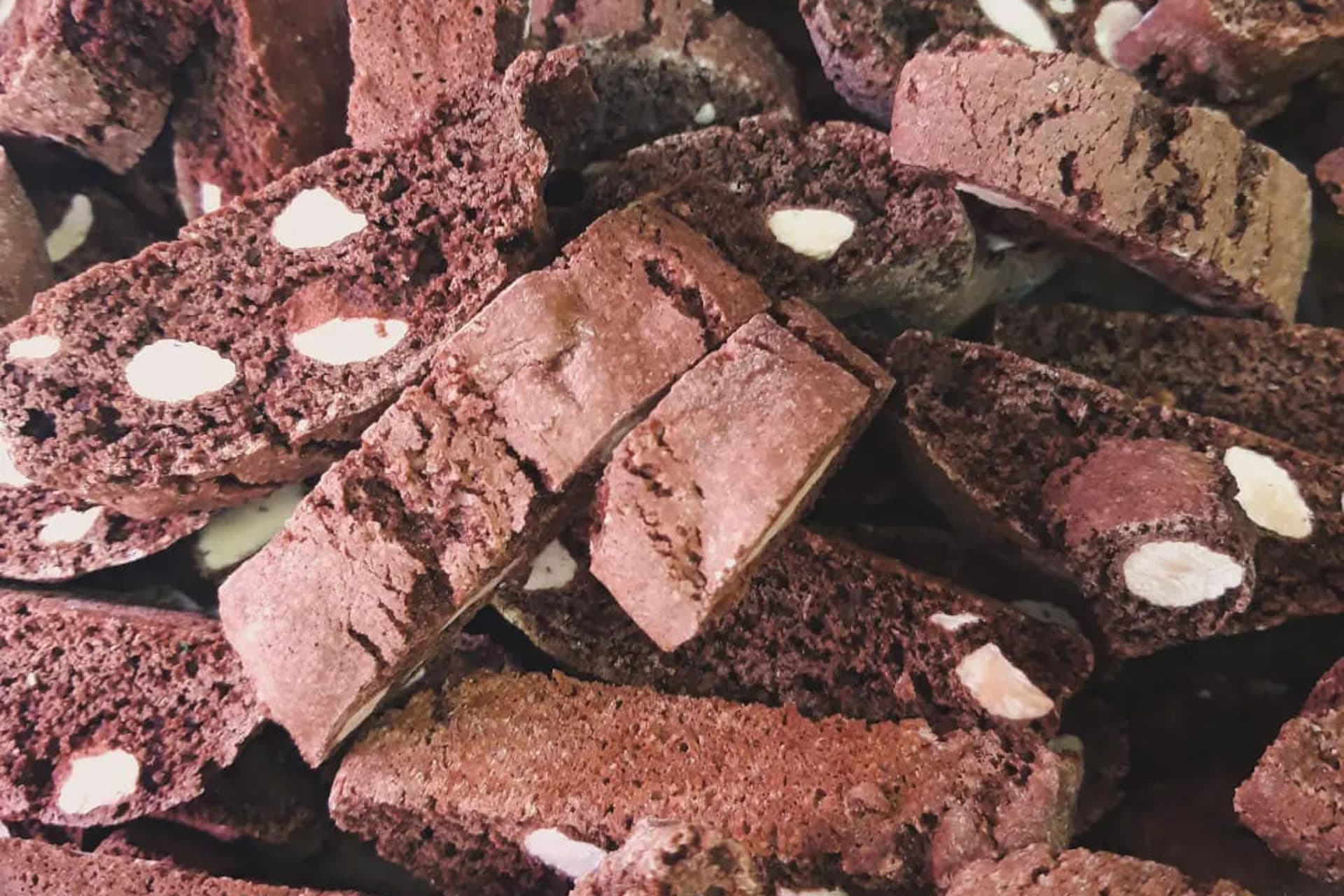
At the end of the itinerary dedicated to the discoveries of Maiolati Spontini, visitors can take a break dedicated to the flavors of the area by choosing one of the various restaurants in Maiolati Spontini, where the tradition of the Marche meets local hospitality. Among the recommended establishments, Libero Arbitrio stands out, ideal for those who love sophisticated cuisine, Al Vecchio Rotone, which offers traditional dishes in a welcoming setting, and La Collina degli Olivi, perfect for enjoying typical recipes immersed in the green hills. An authentic way to end the journey between history and music through the scents of local cuisine.
-
Al Vecchio Rotone
Via della Chiusa, 3, 60030 Maiolati Spontini AN - Tel: 338 640 3675 -
Bar Manu
Via Cavour, 26, 60030 Moie AN - Tel: 3664055521 -
Caffè Morazzini
Via Risorgimento, 200, 60030 Maiolati Spontini AN - Tel: 0731703443 -
Jolanda Restaurant
Viale Leonardo Da Vinci, 52, 60030 Moie AN - Tel: 0731701801 -
La Bouvette
Via Risorgimento, 90, 60030 Moie AN - Tel: 3498015634 -
La Collina degli Olivi
Via Santa Liberata, 41, 60030 Maiolati Spontini AN - Tel: 0731702815 -
La Dolce Vita
Via Risorgimento, 53, 60030 Moie AN - Tel: 0731776008 -
La Sosteria
Via Boccolina, 14, 60030 Maiolati Spontini AN -
Lady Green
Via G. Carducci, 8/10, 60030 Maiolati Spontini AN - Tel: 0731703351 -
Libero Arbitrio
Via Gaspare Spontini, 42, 60030 Maiolati Spontini AN - Tel: 0731776026 -
Mille e una Voglia
Via Trieste, 3, 60030 Moie AN - Tel: 0731705282 -
Museika
Via della Chiusa, 60030 Maiolati Spontini AN - Tel: 3803793647 -
Party Uptown
Via Celeste Erard, 12, 60030 Maiolati Spontini AN - Tel: 3792690296 -
Pick Up
Via Cavour, 8, 60030 Moie AN - Tel: 0731701127 -
Pizza Party
Via Risorgimento, 31, 60030 Moie AN - Tel: 0731702100 -
Smile Bar
Via Vivaio, 2, 60030 Maiolati Spontini AN - Tel: 0731703300 -
TAdElia Pizza
Via Ancona, 55, 60030 Moie AN - Tel: 3938287792
Shopping
For those who want to end the day with a little’ shopping, the Municipality offers various businesses where you can find typical products, artisanal items and gift ideas. Recommended outlets include: Delizie Alimentari, perfect for purchasing local gastronomic excellence; Il Papiro Stationery, ideal for stationery and creative objects; and L'Essenziale Herbalist, a reference point for natural products and wellness. A final step to bring with you an authentic memory of the Spontini lands and support the realities that animate the community.
-
Alberto Dress Shop
Via Cavour, 11, 60030 Moie AN - Tel: 0731701377 -
Cascia Giacomo Footwear
Via Risorgimento, 160, 60030 Moie AN - Tel: 0731702054 -
Delizie Alimentari
Via Risorgimento, 29, 60030 Maiolati Spontini AN - Tel: 0731701125 -
Erboristeria L’essenziale
Via Risorgimento n.15 - Piazza del Mercato n.6 bis 60030, Moie AN - Tel: 0731720424 -
Estetica e benessere by Franceschetti Eleonora
Via Ancona, 47, 60030 Maiolati Spontini AN - Tel: 324 929 5516 -
Estetika Gloria
Via Manzoni, 1, 60030 Moie AN - Tel: - -
Falegnameria Artigiana
Via Raffaello Sanzio, 7, 60030 Moie AN - Tel: 0731702955 -
L’altra Moda
Via Risorgimento, 128, 60030 Moie AN - Tel: 3803052933 -
Moje Pharmacy
Via Manzoni, 35, 60030 Moie AN - Tel: 0731702594 -
Nuovi Orizzonti Stationery and Bookshop
Via Salvo D'Acquisto, 4, 60030 Moie AN - Tel: 0731703924 -
Sarti Ironmongery
Via Manzoni, 3, 60030 Moie AN - Tel: 0731812229 -
Stationery shop Il Papiro
Via Risorgimento, 24, 60030 Moie AN - Tel: 0731702038 -
Tabaccheria Artemio
Viale Leonardo Da Vinci, 73, 60030 Moie AN - Tel: 0731704548
Cellars
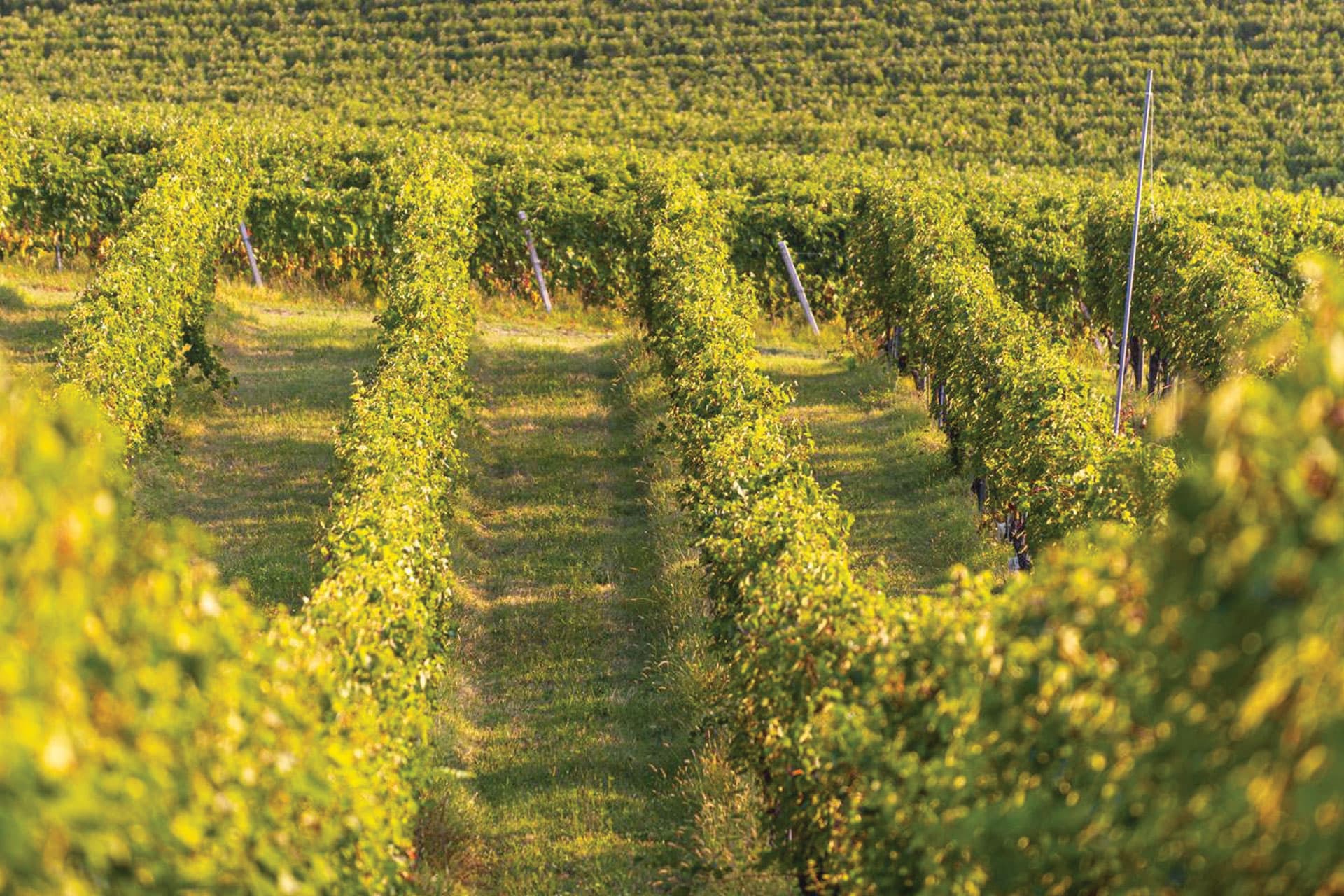
The Maiolati Spontini area is rich in winemaking and artisanal businesses offering unique tasting experiences. Recommended stops include the Oppeddentro Artisan Brewery, where you can sample carefully and creatively produced local beers; the Mancini Winery – Verdicchio dei Castelli di Jesi, a symbol of the area's winemaking excellence; and the Monteschiavo Winery – Tenute Pieralisi, an ambassador for fine wines and a long agricultural tradition. Here you can discover flavours, production methods and landscapes that tell the story of the rural soul of Maiolati Spontini.
-
Amadio Vini
- Tel: 0731702714 -
Dottori Edoardo Agricultural Company
- Tel: 334 285 3962 -
Mancini Winery – Verdicchio from the Castles of Jesi
- Tel: 0731.702975 -
Monteschiavo Winery – Pieralisi Estates
- Tel: 0731 700385 -
Oppeddentro
- Tel: 335 755 4402 -
Pievalta Agricultural Company
- Tel: 0731 705199
Other Information
Categories
A piedi
DigitalizziAMO Maiolati Spontini - CUP G69I23001290002 - Questo intervento è stato realizzato con il contributo di 45.000€ dell’Unione europea Bando POR FESR Marche 2021-2027 - Asse 1 - Azione 1.2.2 - Int. 1.2.2.2 Bando per “Servizi digitali integrati”



